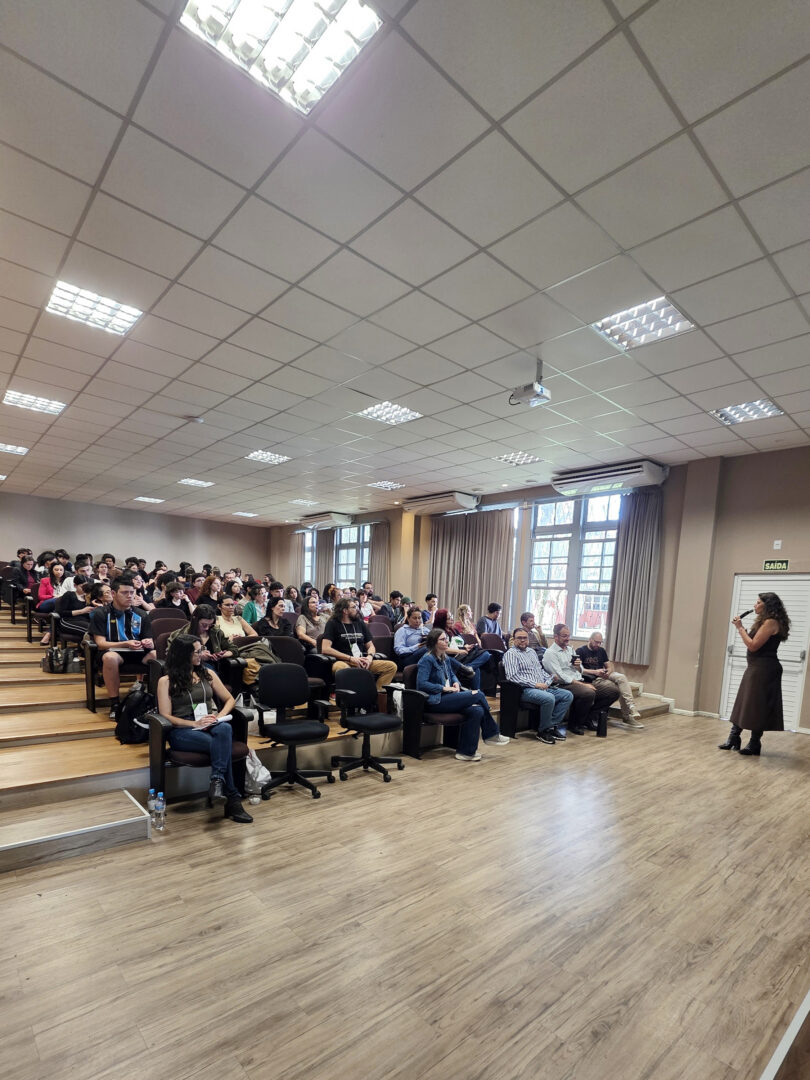
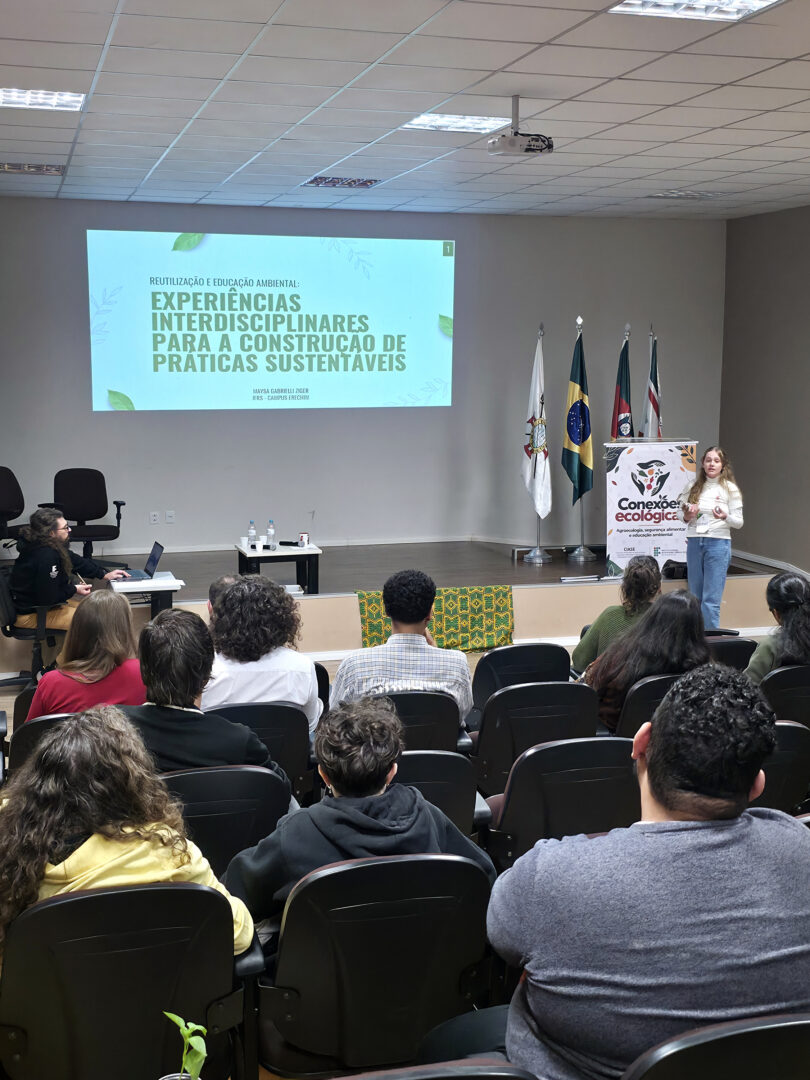
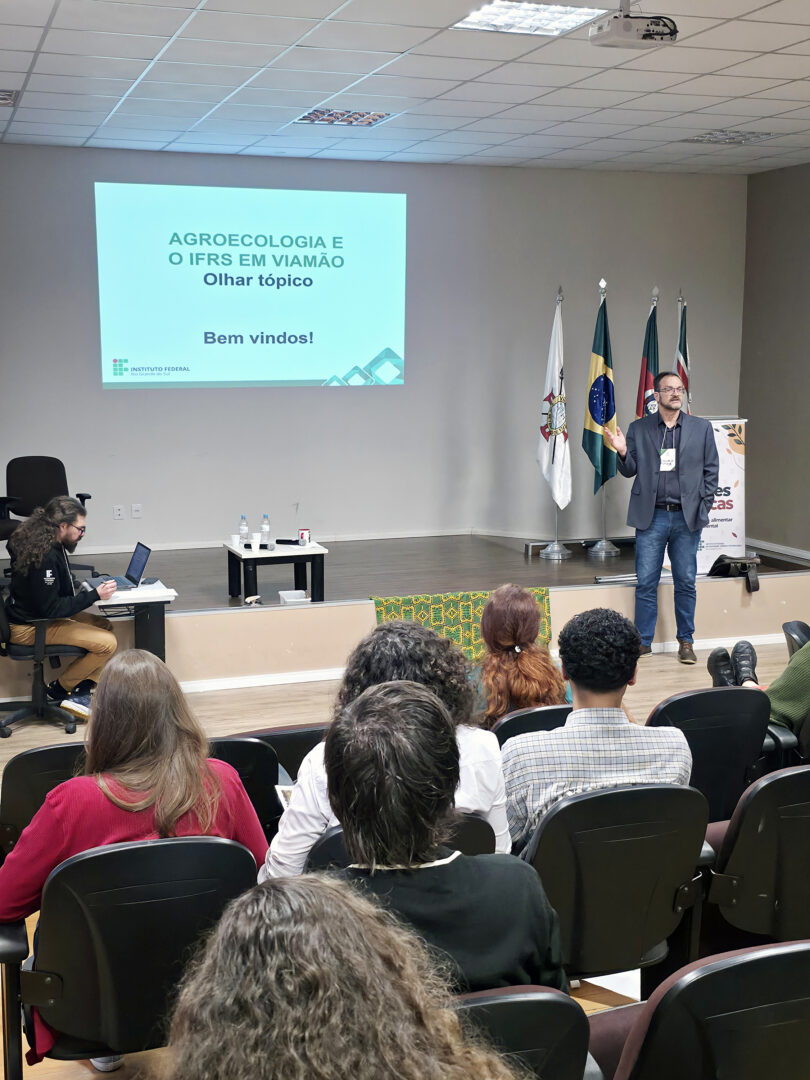
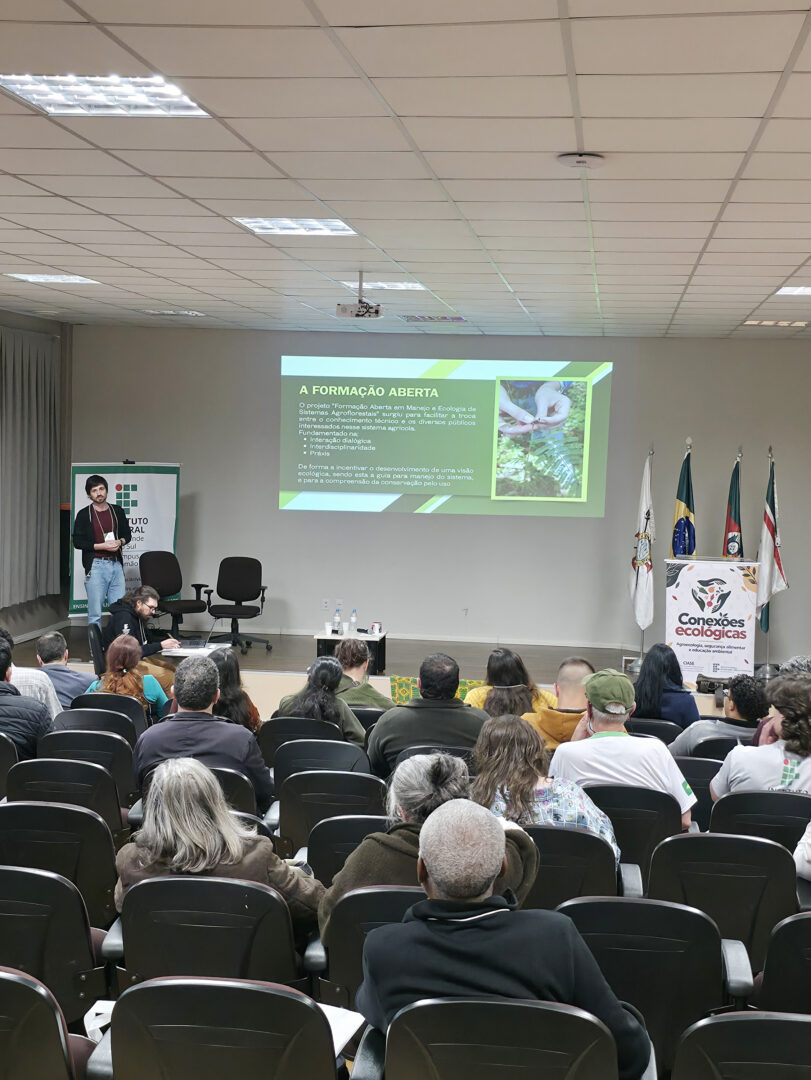
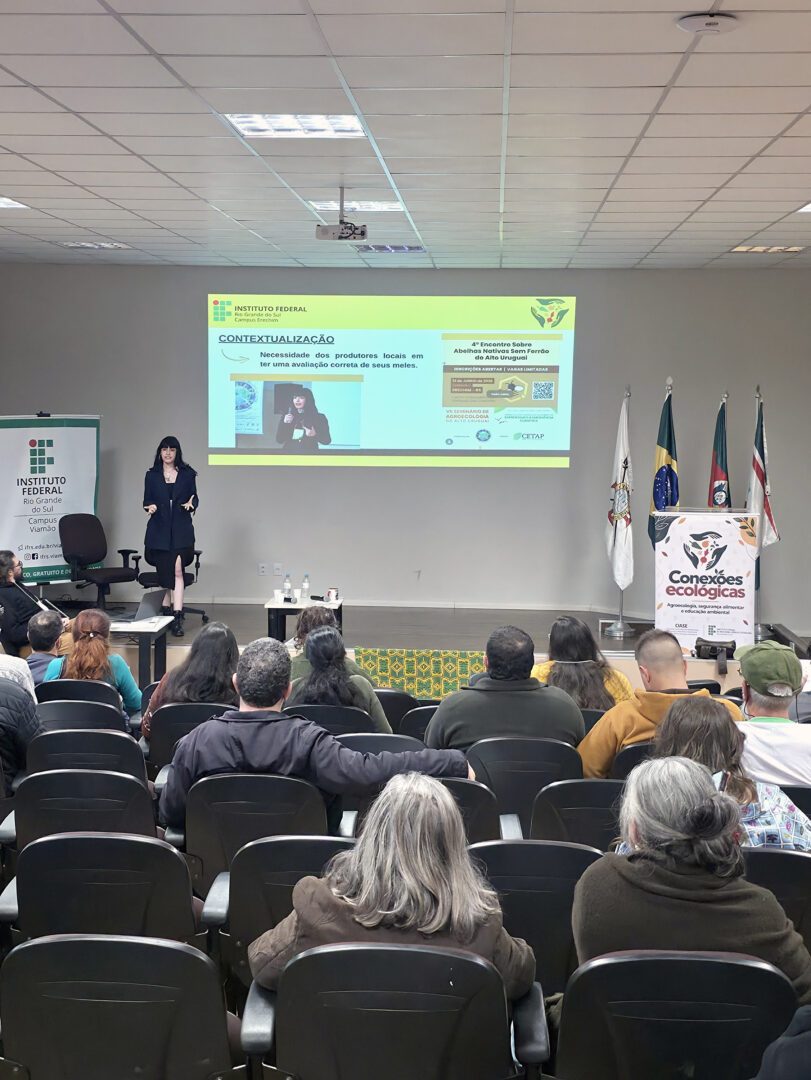
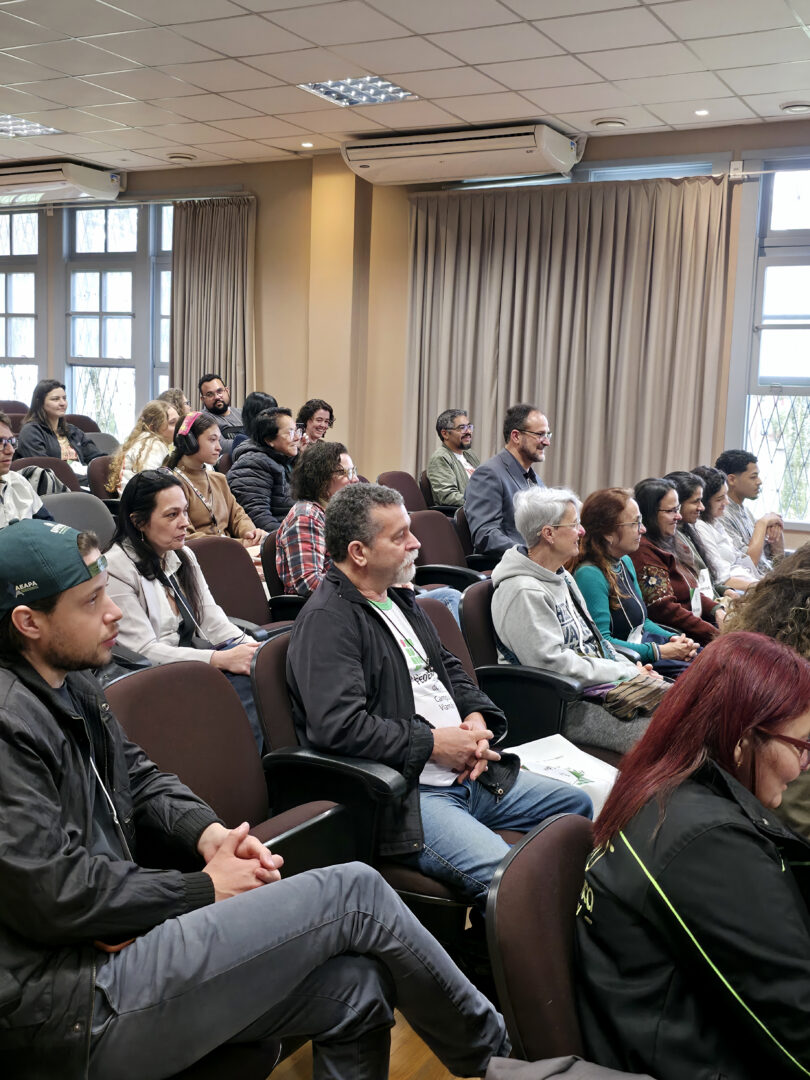
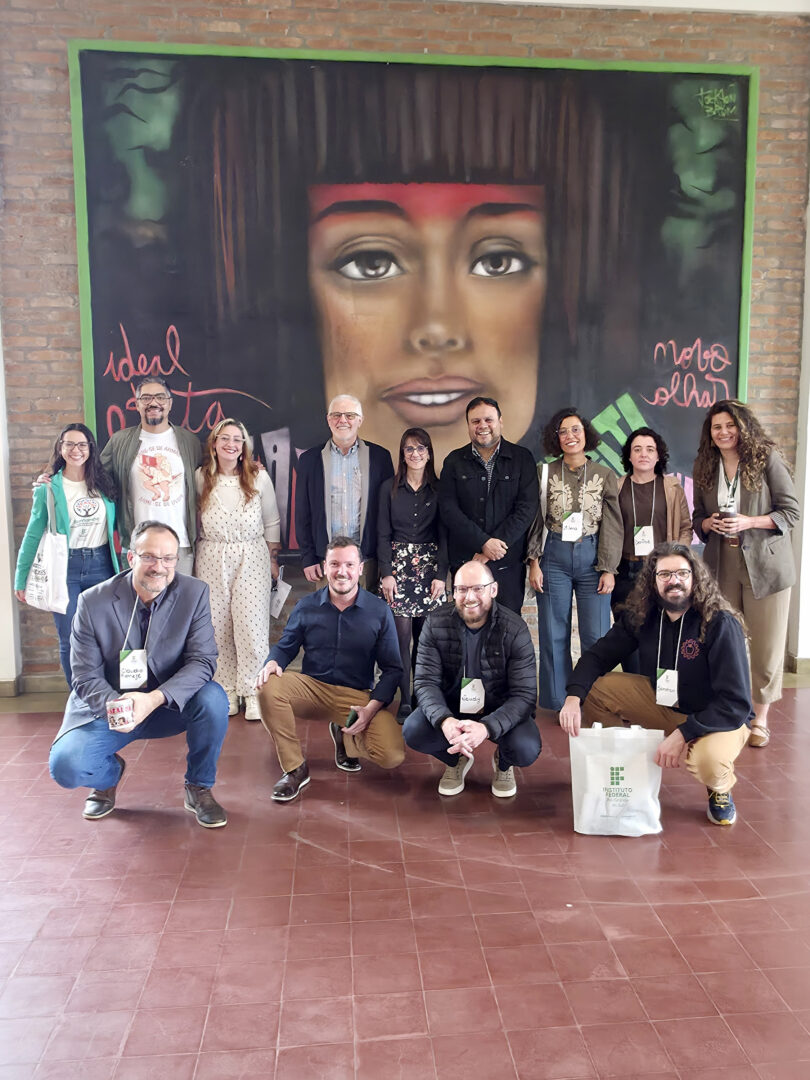
How can agroecology contribute to addressing climate, food, and territorial crises? This question guided the third edition of Conexões Ecológicas, held on October 6 and 7.CampusWe visited the Federal Institute of Education, Science and Technology of Rio Grande do Sul (IFRS). The meeting brought together students, staff, farmers, representatives of traditional communities, and institutions to discuss experiences and initiatives related to the topic.
Organized by the Faculty of Teaching of IFRS, the event integrated the activities of thePolitical and Institutional Policy for Agroecology, Food and Nutritional Security, and Environmental Education (PIAS),approved in October 2019, which aims to promote agroecology, healthy and sustainable food, and environmental education within the institution. The program included lectures, roundtables, presentations of papers, Dialogue and Practice Spaces (EDPs), the Solidarity Economy Multi-Fair, and the Organic and Colonial Fair.
For Neudy Alexandro Demichei, Director of Student Affairs at the Vice-Presidency of Teaching at IFRS and a member of the event organization, the third edition of Connections Ecological, the first held in person, promoted interaction between students, staff, and the external community. "It was a moment of interaction between students, IFRS staff, and the external community to discuss actions, strategies, and viable possibilities in the development of agroecology, food security, and education in the face of extreme events related to the current climate changes," he emphasized.
The territories at the center of the debate
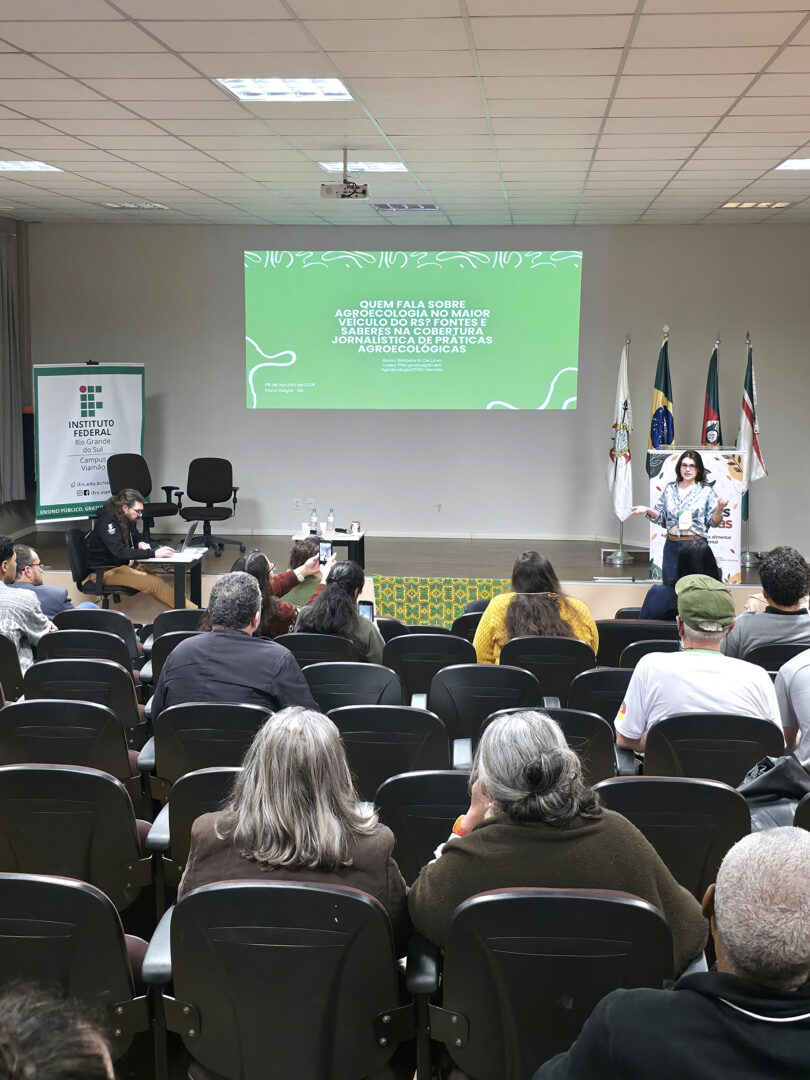
The opening lecture, "Environmental disasters and the social intelligence of the place," was given by geologist and titular professor at the Federal University of Rio Grande do Sul (UFRGS), Rualdo Menegat, general coordinator of the Environmental Atlas of Porto Alegre.
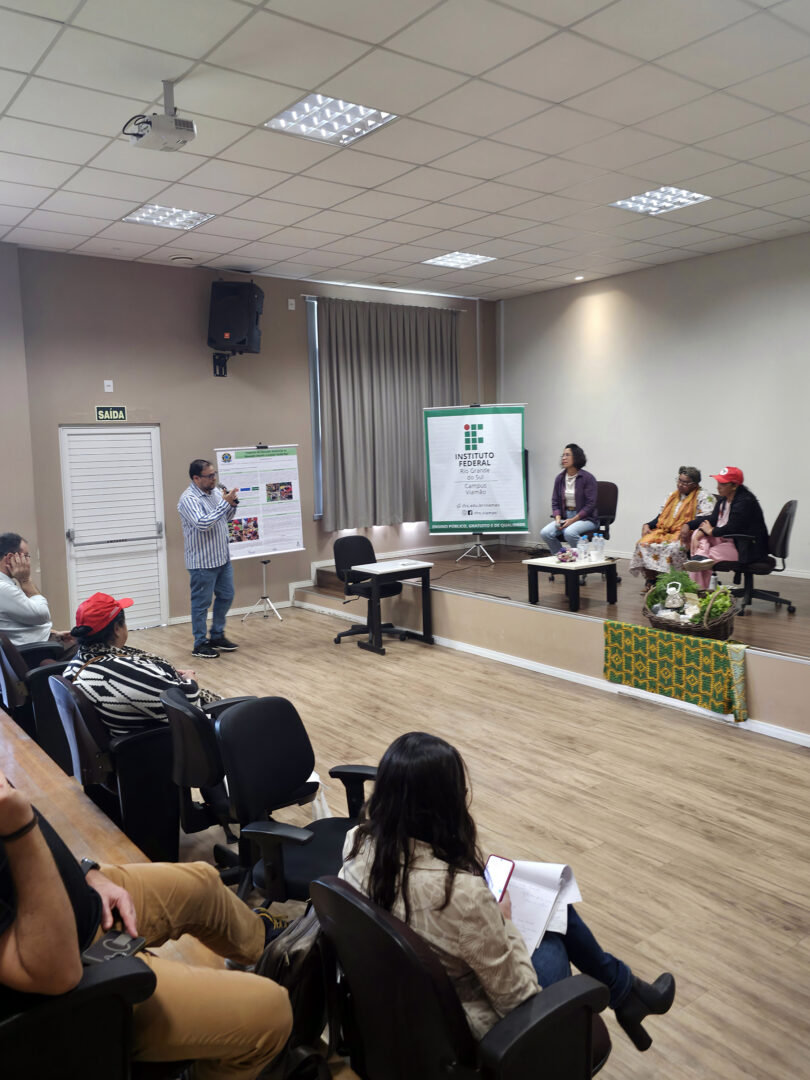
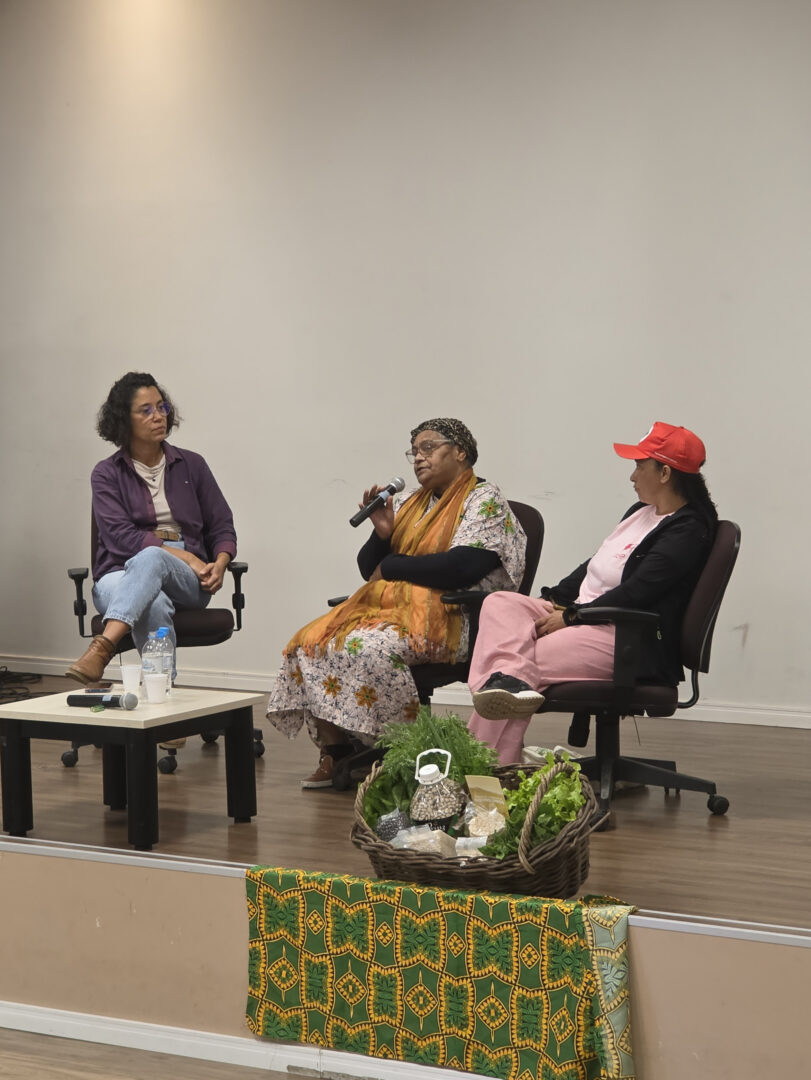
The roundtable, "Agroecology and Territorial Challenges," featured the experiences of Berenice Gomes de Deus, known as Dona Berenice, leader and artisan of the Quilombo da Anastácia in Viamão, and Seleni Lima, an organic farmer for 20 years and vice-president of the Cooperative of Workers of the Porto Alegre Region (Cootap).
Dona Berenice works in the valorisation of the memory and knowledge of the quilombola community, while Seleni develops her work in the Filhos de Sepé settlement. The trajectories of the two participants contributed to the discussion on the relationship between agroecology, culture, and the organization of territories.
Public policies were also on the agenda. The roundtable "The Role of the State and Public Policies in Addressing the Climate, Food, and Territorial Crisis" featured the participation of Isabel Cristina Lourenço da Silva, Strategic Planning Manager of Programs, Accreditation and Training of the National Rural Technical Assistance and Extension Agency (Anater).
Exchange of experiences and agroecological practices
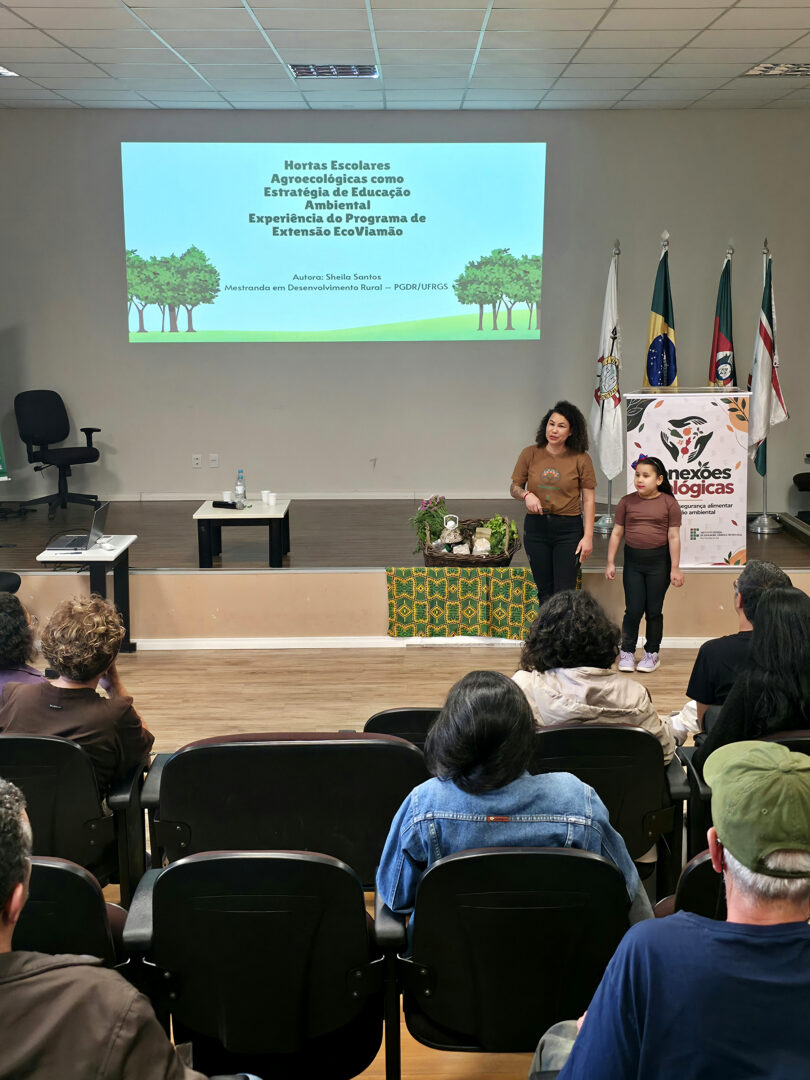
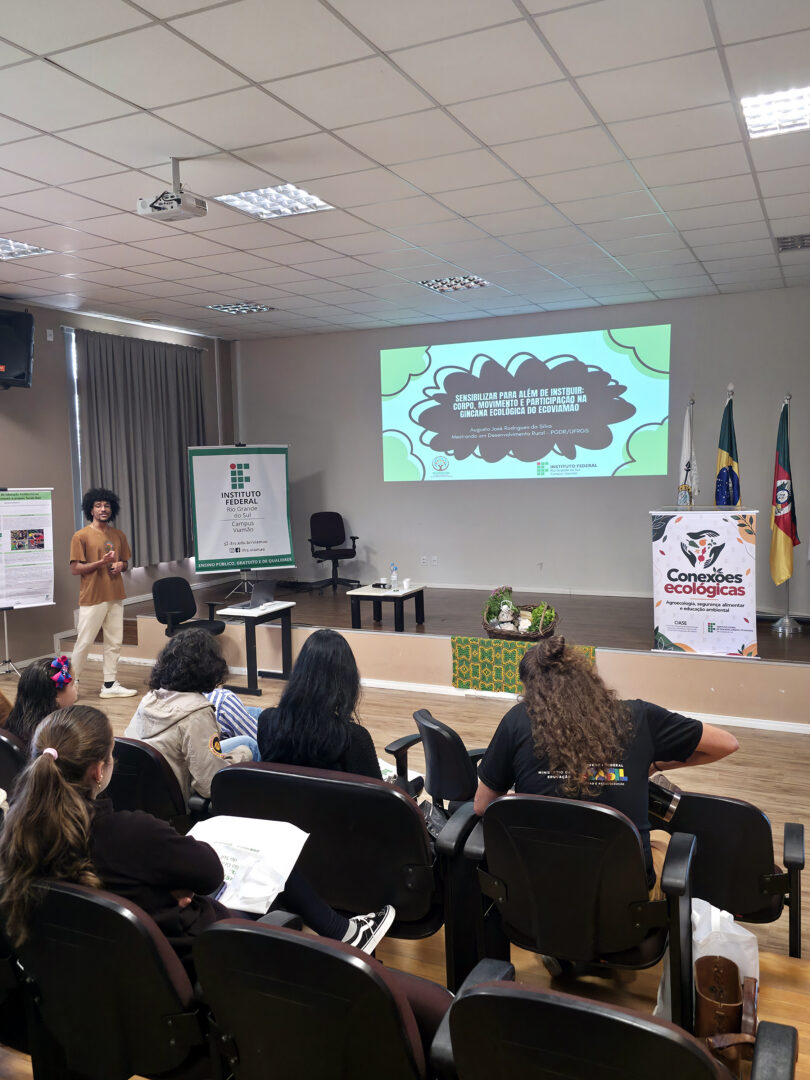
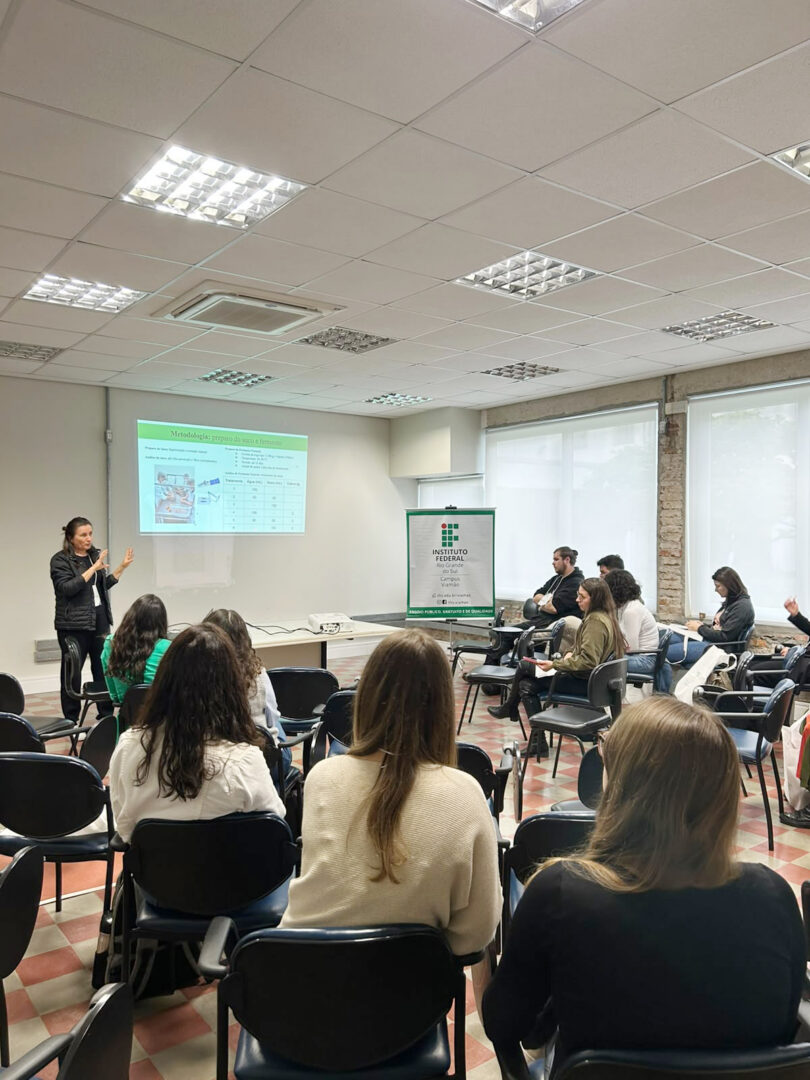
The Spaces for Dialogue and Practice featured presentations on urban agriculture, food systems, environmental education, family farming, traditional communities, and flood prevention. Among the initiatives were those developed at the IFRS and in other locations, such as the implementation of an agricultural greenhouse in the agroforestry system.CampusViamão and the redesign of the agroecological productive matrix of the Filhos de Sepé settlement.
The former student ofCampusViamão and former EcoViamão scholarship recipient Ana Carolina Silveira Martins presented the work "From the construction site to citizenship: an agroecological experience in school." According to her, getting to know projects and talking to people involved in different initiatives expanded the possibilities of thinking about the role of agroecology in communities. "Witnessing the existence of beautiful, well-constructed projects with application in the territory, which contribute to the construction of critical, respectful, and resistant thinking, is very rewarding and grand!" she said.
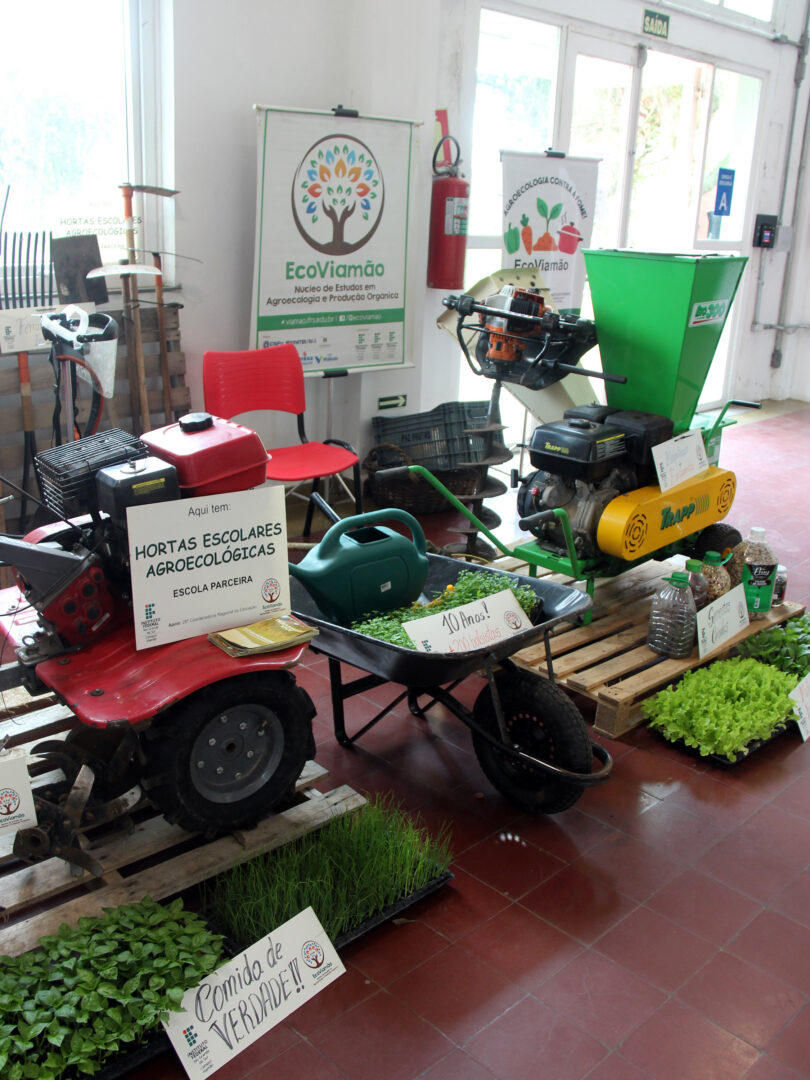
Ten Years of EcoViamão
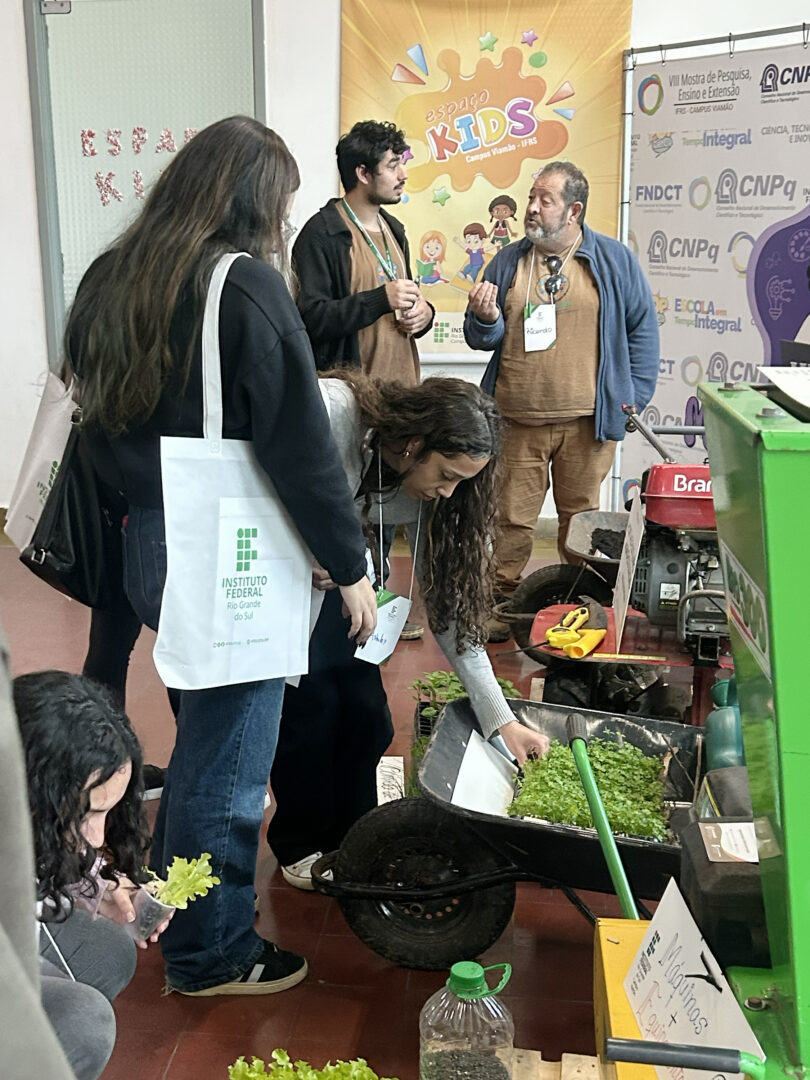
The actions developed by theEcoViamão Programover its ten years were presented at the "From Seed to Plate" stand. The space brought together initiatives such as agroecological gardens in schools, sustainable kitchens, and partnerships with the Filhos de Sepé settlement, as well as information about support for activities and projects involving scholarship recipients. Focused on the implementation and democratic management of teaching, research, extension, and innovation projects in agroecology, the program has already involved more than 200 scholarship recipients.
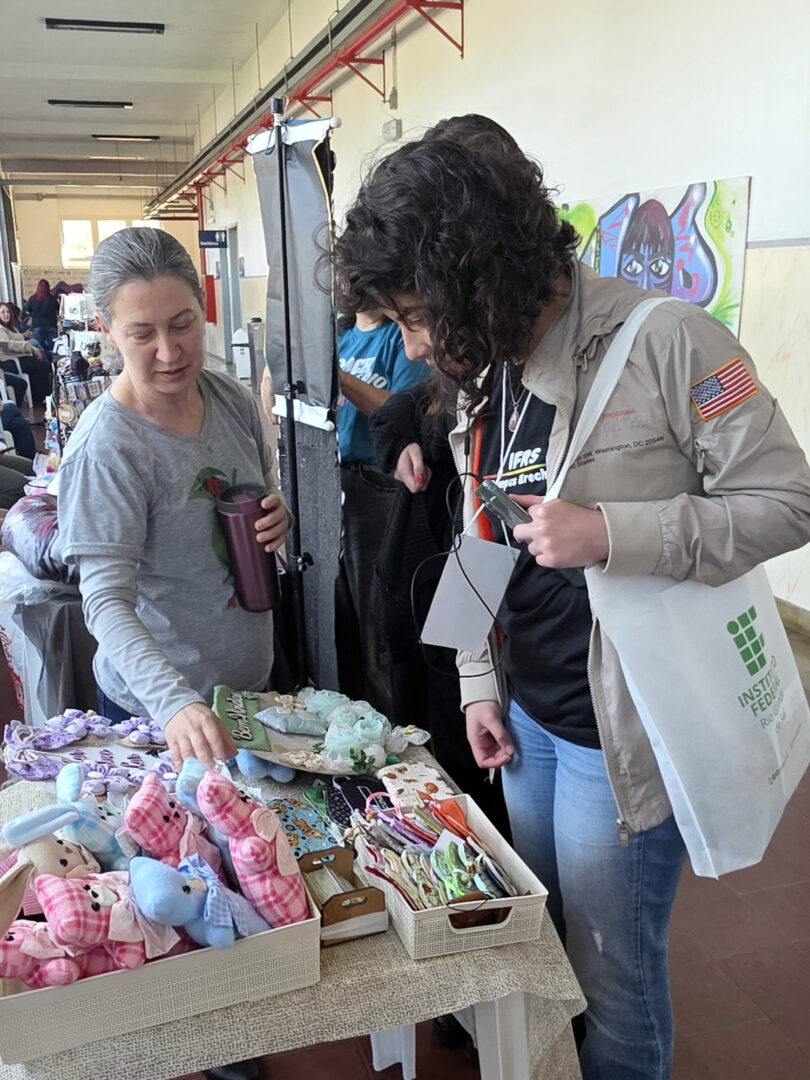
Multi-Fair of Solidarity Economy
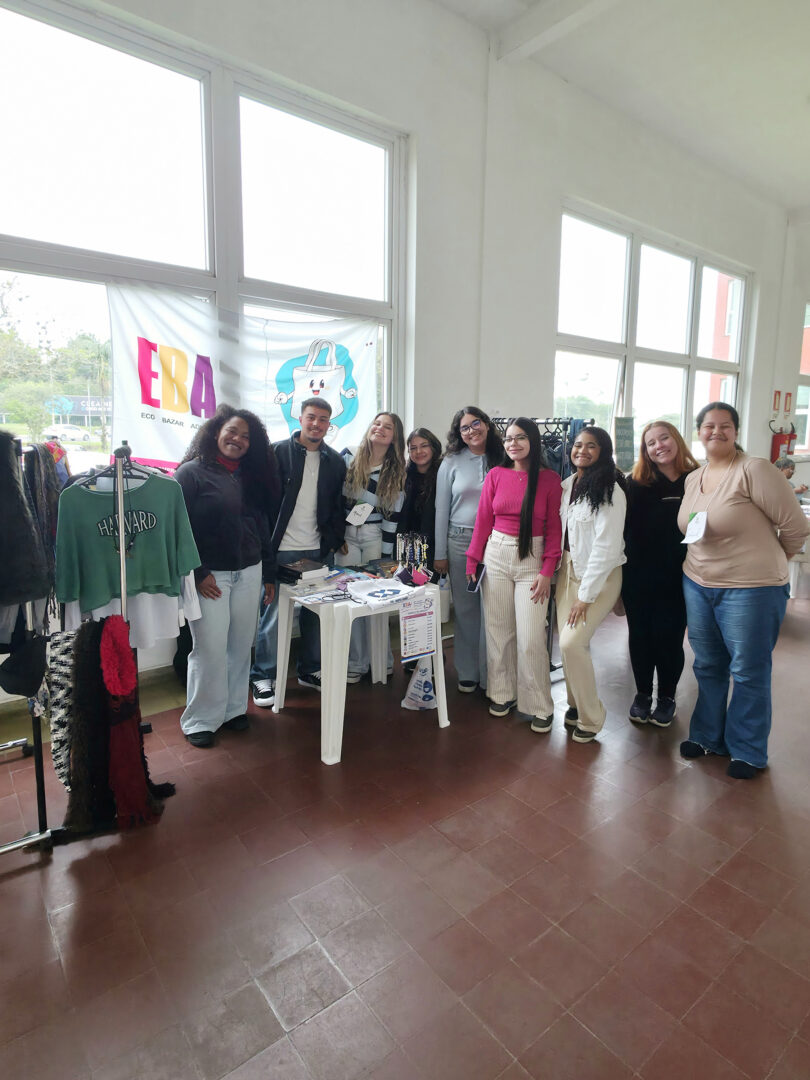
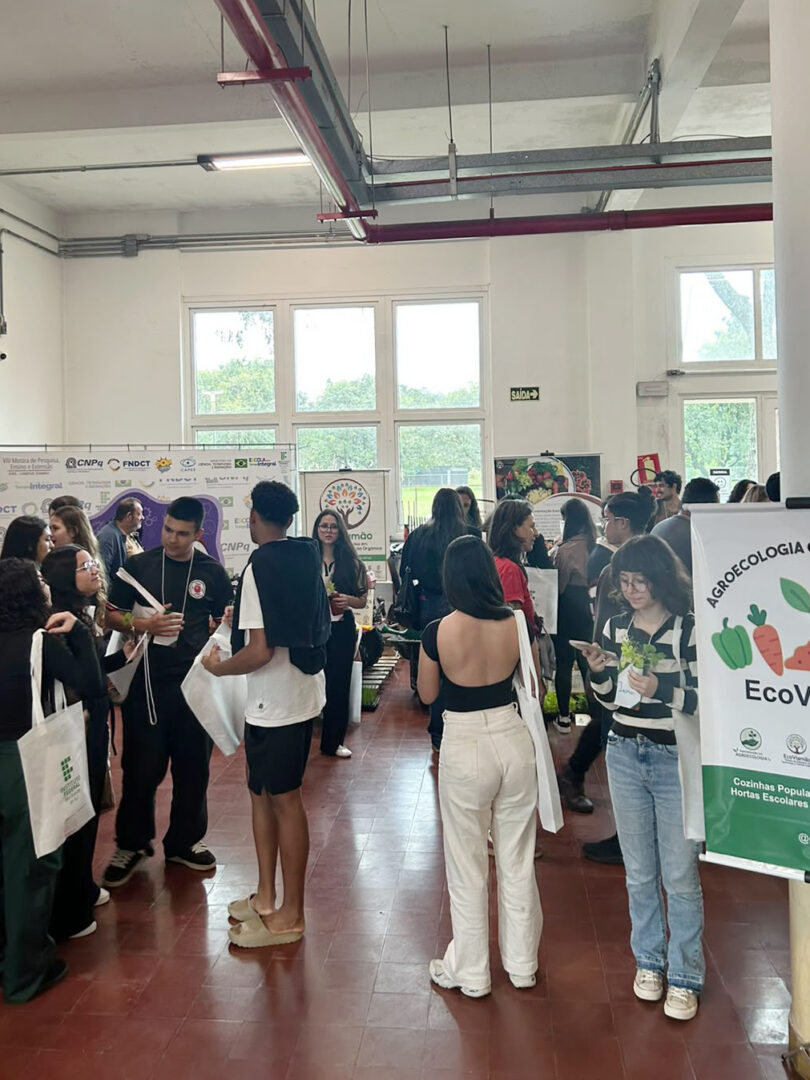
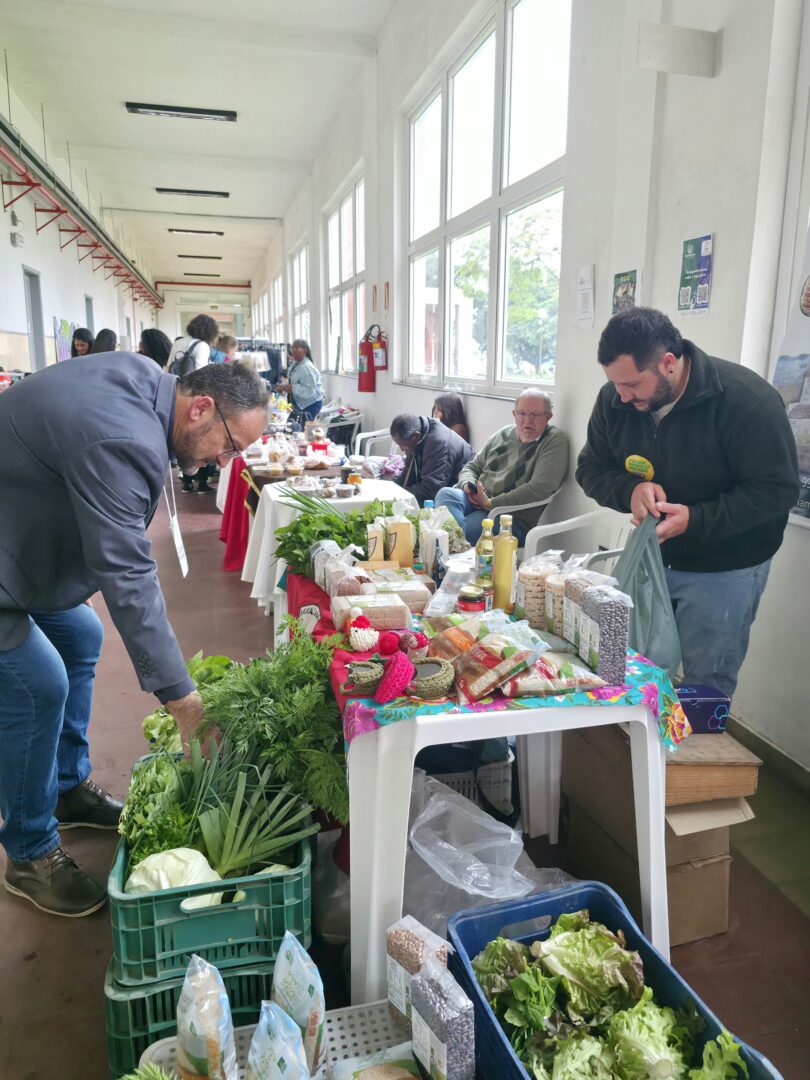
The Multifeira also integrated the program, with the exhibition and commercialization of products from community projects. The activity is part of a project of extension coordinated by Professor Josiane Roberta Krebs, linked to the Incubadora Tecnológica de Empreendimentos Solidários e Sustentáveis de Viamão (ITESS), with the support of EcoViamão.
For Josiane, the fair brought together different audiences and allowed for the sharing of experiences built both inside and outside the academic environment. "It was an important space for meeting, listening, and sharing between students, workers, communities, and institutions," she said.
Professor Claudio Fioreze, one of the organizers of the event, emphasized that the contact between practical reality and theory contributes to a broader understanding of the challenges faced by communities. "We were able to bring institutional actors linked to academia and public policies here, but also socio-environmental actors from the territory who are on the front lines, in everyday life," he concluded.
Opening of the Event
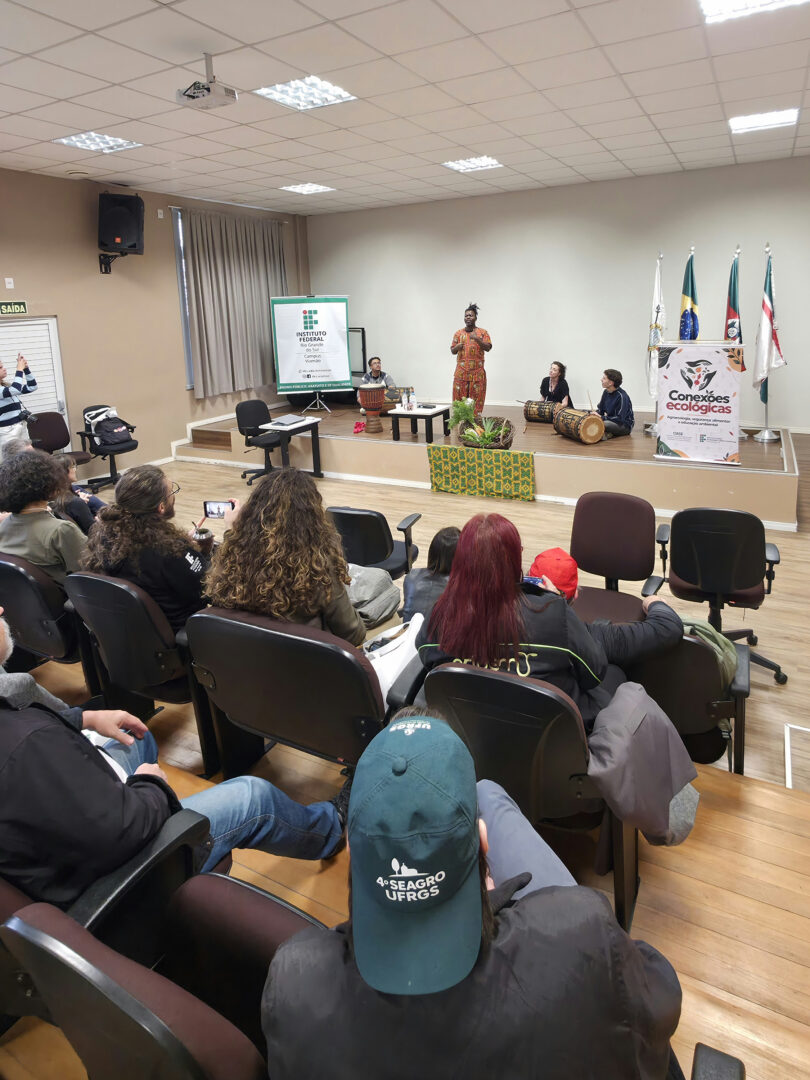
The opening ceremony featured a cultural performance by the Marfinian artist Loua Pacôm Oula, a percussionist, actor, and storyteller who works on cultural projects linked to IFRS. Also present were pro-rectors Fábio Marçal, Flávia Twardowski, and Lucas Coradini, as well as other institutional authorities and staff from other units of IFRS.
Photos: Comunicação IFRS Campus Viamão
Text adapted by the Communication Department of IFRS based onthe IFRS Campus Viamão news.